
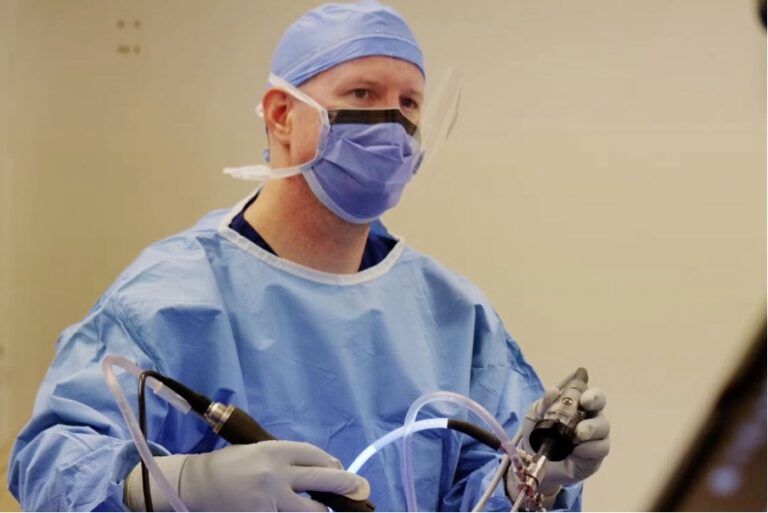
Knee pain, swelling and restricted movement can affect everyday activities. For certain joint conditions, arthroscopic knee surgery in Adelaide may be a suitable treatment option. This minimally invasive procedure uses a small camera and specialised instruments to examine and treat problems inside the knee. Many patients undergo arthroscopy as day surgery, returning home after observation and medical assessment.
What Is Arthroscopic Knee Surgery?
Arthroscopic knee surgery, also called keyhole surgery, involves inserting a small camera through an incision near the knee. The camera displays images on a screen, allowing the surgeon to examine joint structures and perform treatment using specialised instruments.
The procedure may treat selected meniscal tears, remove loose fragments or address certain ligament injuries. Treatment depends on the underlying condition, symptoms and examination findings. An orthopaedic specialist can explain whether arthroscopy is appropriate for the patient's condition.
When Might Arthroscopy Be Recommended?
A specialist may recommend arthroscopy when clinical assessment identifies a knee problem that could benefit from surgery. Symptoms such as catching, locking, persistent swelling or restricted movement may require further investigation, including MRI scans when clinically appropriate.
For degenerative knee conditions, physiotherapy, exercise and other non-surgical treatments are generally considered first. The decision to proceed with arthroscopy depends on the diagnosis, symptom severity and expected benefits of surgery.
How Should Patients Prepare for Day Surgery?
Preparation involves a medical assessment and discussion about the procedure. Patients should follow hospital instructions and complete these arrangements:
- Medical Information: Inform the surgical team about health conditions, allergies, medicines and supplements.
- Fasting Instructions: Follow guidance regarding food, fluids and medicines before surgery.
- Transport Arrangements: Organise a responsible adult to accompany you home afterwards.
These preparations help the surgical team plan appropriate care and support safe discharge.
What Happens During Day Surgery?
Patients arrive at the scheduled time and complete admission checks. The anaesthetist discusses the planned anaesthesia, which may involve general or regional techniques. The surgeon makes small incisions and performs the agreed treatment.
Following surgery, nursing staff monitor patients during recovery. Once discharge requirements are met, patients receive instructions covering wound care, pain management, mobility and follow-up appointments. Same-day discharge depends on individual recovery.
What Does Recovery Involve?
Recovery varies according to the procedure performed. Temporary swelling, discomfort or stiffness may occur. The surgical team may recommend these measures:
- Swelling Management: Apply ice and elevate the leg as instructed.
- Mobility Support: Use crutches when recommended and follow weight-bearing advice.
- Rehabilitation Exercises: Complete prescribed exercises or physiotherapy to restore movement.
- Wound Care: Keep dressings clean and monitor incision sites.
Seek prompt medical advice for fever, increasing redness, wound discharge or worsening pain.
Is Day Surgery Suitable for Everyone?
Day surgery may suit patients undergoing straightforward arthroscopic procedures. Eligibility depends on overall health, surgical complexity, anaesthesia requirements and support at home. The surgeon and anaesthetist assess these factors to determine whether same-day discharge is appropriate and safe.
Conclusion
Understanding arthroscopic knee surgery in Adelaide helps patients prepare and make informed treatment decisions. An orthopaedic specialist can explain the benefits, risks and recovery requirements. While a foot and ankle surgeon in Adelaide focuses on different lower-limb conditions, knee problems require assessment by an appropriately qualified specialist. Following medical advice supports recovery and a gradual return to everyday activities.