
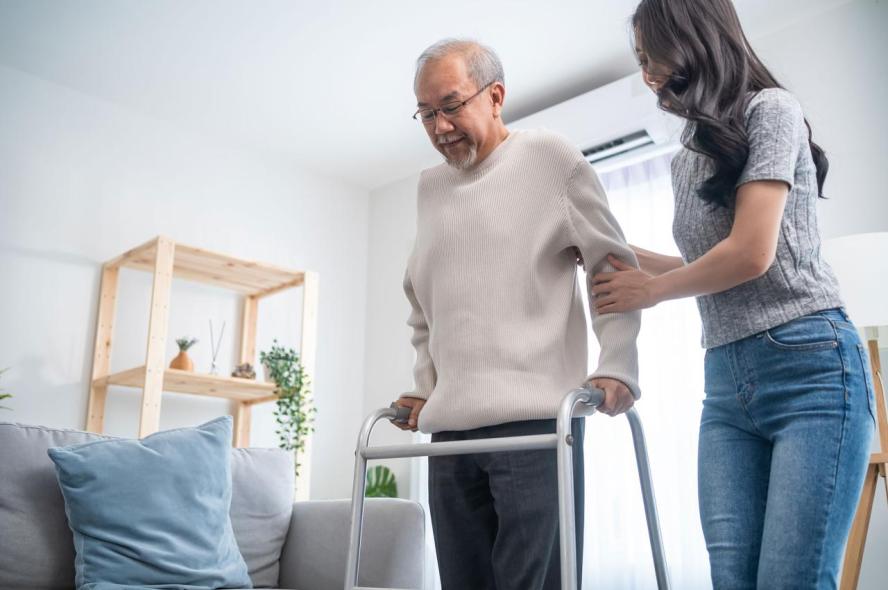
Falls remain one of the most common causes of injury among older adults. Reduced strength, poor balance, and limited mobility can increase the likelihood of accidents during everyday activities. A structured exercise program for older adults helps address these challenges by improving physical function and confidence. With regular movement and appropriate guidance, older adults can maintain independence and reduce their risk of serious injuries.
Why Are Falls Common Among Older Adults?
Several age-related changes can affect stability and movement. Muscle strength often declines over time, making it harder to perform daily tasks safely. Joint stiffness can limit mobility, while changes in vision and coordination may increase the risk of tripping or losing balance. Many older adults also become less active after an injury or health concern. Reduced activity can further weaken muscles, creating a cycle that increases fall risk. Understanding these factors helps families and caregivers take practical steps to support safer ageing.
How Does Exercise Help Reduce the Risk of Falls?
Regular physical activity can improve several areas that contribute to safer movement and better physical function.
Improves Balance and Stability
Balance training teaches the body to respond more effectively to changes in movement and position. Exercises that involve controlled stepping, standing on one leg, or changing direction can improve stability. Better balance helps older adults move confidently around their homes and communities.
Builds Strength for Daily Activities
Strong muscles support safe movement throughout the day. Strength-focused exercises target areas such as the legs, hips, and core. These muscles play an important role in walking, climbing stairs, and getting in and out of chairs. A well-designed exercise program for older adults helps improve functional strength and reduce the likelihood of falls.
Enhances Mobility and Flexibility
Mobility exercises encourage smoother and more comfortable movement. Improved flexibility allows joints to move through a healthy range of motion. When older adults move more freely, they can react more effectively to obstacles and changes in their environment.
Common Components of an Exercise Program
Most programs combine different forms of exercise to support overall physical health, such as:
- Strength Training: Builds muscle strength needed for everyday tasks.
- Balance Exercises: Improve body control and stability.
- Functional Movements: Support activities such as sitting, standing, and walking.
- Flexibility Training: Helps maintain comfortable movement.
- Group Activities: Encourage motivation and social connection.
Many people receiving home care packages in Adelaide include structured exercise activities as part of their ongoing wellbeing plans. These activities can support independence while addressing individual mobility needs.
Why Personalised Programs Matter
Older adults have different fitness levels, health conditions, and goals. A personalised exercise plan considers these factors and creates activities that suit individual abilities. This approach helps reduce the risk of injury while encouraging steady progress. Families exploring home care packages in Adelaide often look for services that support tailored health and mobility programs. Individual assessments help identify specific areas that need attention, making exercise safer and more effective.
Conclusion
Falls can have a significant impact on health, independence, and overall wellbeing. However, many risk factors can be improved through regular physical activity. A structured Falls remain one of the most common causes of injury among older adults. Reduced strength, poor balance, and limited mobility can increase the likelihood of accidents during everyday activities. A structured exercise program for older adults helps address these challenges by improving physical function and confidence. With regular movement and appropriate guidance, older adults can maintain independence and reduce their risk of serious injuries.
Why Are Falls Common Among Older Adults?
Several age-related changes can affect stability and movement. Muscle strength often declines over time, making it harder to perform daily tasks safely. Joint stiffness can limit mobility, while changes in vision and coordination may increase the risk of tripping or losing balance. Many older adults also become less active after an injury or health concern. Reduced activity can further weaken muscles, creating a cycle that increases fall risk. Understanding these factors helps families and caregivers take practical steps to support safer ageing.
How Does Exercise Help Reduce the Risk of Falls?
Regular physical activity can improve several areas that contribute to safer movement and better physical function.
Improves Balance and Stability
Balance training teaches the body to respond more effectively to changes in movement and position. Exercises that involve controlled stepping, standing on one leg, or changing direction can improve stability. Better balance helps older adults move confidently around their homes and communities.
Builds Strength for Daily Activities
Strong muscles support safe movement throughout the day. Strength-focused exercises target areas such as the legs, hips, and core. These muscles play an important role in walking, climbing stairs, and getting in and out of chairs. A well-designed exercise program for older adults helps improve functional strength and reduce the likelihood of falls.
Enhances Mobility and Flexibility
Mobility exercises encourage smoother and more comfortable movement. Improved flexibility allows joints to move through a healthy range of motion. When older adults move more freely, they can react more effectively to obstacles and changes in their environment.
Common Components of an Exercise Program
Most programs combine different forms of exercise to support overall physical health, such as:
- Strength Training: Builds muscle strength needed for everyday tasks.
- Balance Exercises: Improve body control and stability.
- Functional Movements: Support activities such as sitting, standing, and walking.
- Flexibility Training: Helps maintain comfortable movement.
- Group Activities: Encourage motivation and social connection.
Many people receiving home care packages in Adelaide include structured exercise activities as part of their ongoing wellbeing plans. These activities can support independence while addressing individual mobility needs.
Why Personalised Programs Matter
Older adults have different fitness levels, health conditions, and goals. A personalised exercise plan considers these factors and creates activities that suit individual abilities. This approach helps reduce the risk of injury while encouraging steady progress. Families exploring home care packages in Adelaide often look for services that support tailored health and mobility programs. Individual assessments help identify specific areas that need attention, making exercise safer and more effective.
Conclusion
Falls can have a significant impact on health, independence, and overall wellbeing. However, many risk factors can be improved through regular physical activity. A structured exercise program for older adults supports strength, balance, and mobility while helping reduce the likelihood of injury. When exercise matches individual needs and abilities, older adults can stay active, maintain confidence, and continue participating in everyday activities safely.
supports strength, balance, and mobility while helping reduce the likelihood of injury. When exercise matches individual needs and abilities, older adults can stay active, maintain confidence, and continue participating in everyday activities safely.